
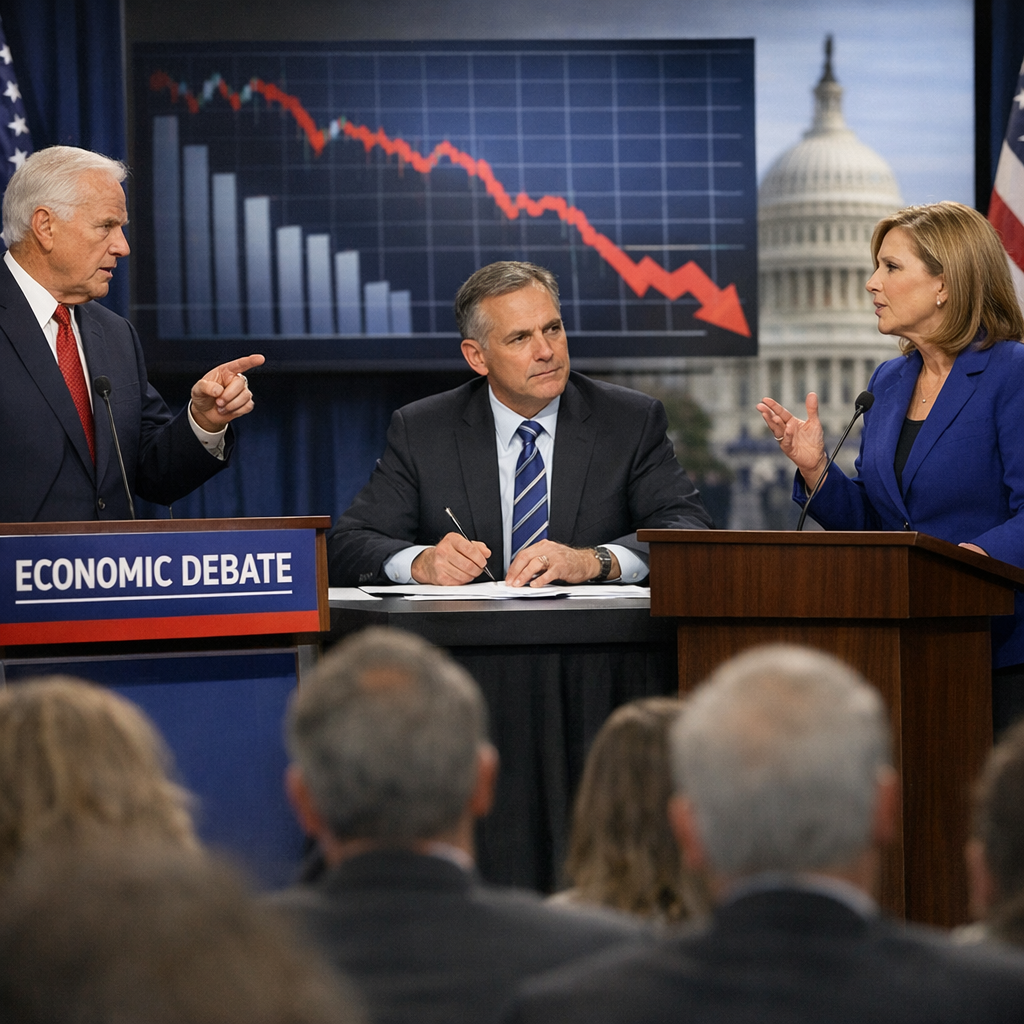
As the United States continues to navigate a dynamic political and economic landscape, several recent developments have captured national attention.
Political Developments
In California, the gubernatorial race is intensifying. Recent polls suggest a tight, three-way contest among candidates Becerra, Steyer, and Hilton. This competitive race underscores the state’s diverse political climate and the varying priorities of its electorate.
On the East Coast, South Carolina’s political scene is also active. Voters are narrowing down candidates in key races for governor and U.S. Senate. Notably, Republican Senator Lindsey Graham is seeking a fifth term, with the primary race highlighting the state’s political dynamics.
Economic Indicators
The U.S. services sector has shown resilience, with activity rising in May. However, supply constraints have led to increased prices, reflecting ongoing challenges in the supply chain. This trend is crucial for businesses and consumers alike, as it impacts pricing and availability of goods and services.
In the technology sector, the White House is negotiating a federal preemption of some state AI laws in exchange for its support of key tech policy priorities from the Hill. This move aims to create a unified regulatory framework for artificial intelligence, balancing innovation with oversight.
Implications for New Ulm Residents
While these developments are national in scope, they have local implications. Political shifts can influence federal policies affecting Minnesota, from infrastructure funding to healthcare programs. Economic trends, such as rising service sector prices, may impact local businesses and consumers in New Ulm.
Staying informed about these national events is essential for understanding their potential effects on our community. Engaging in local discussions and participating in elections ensures that the voices of New Ulm residents are heard in shaping policies that affect our daily lives.