

By Emma Nelson
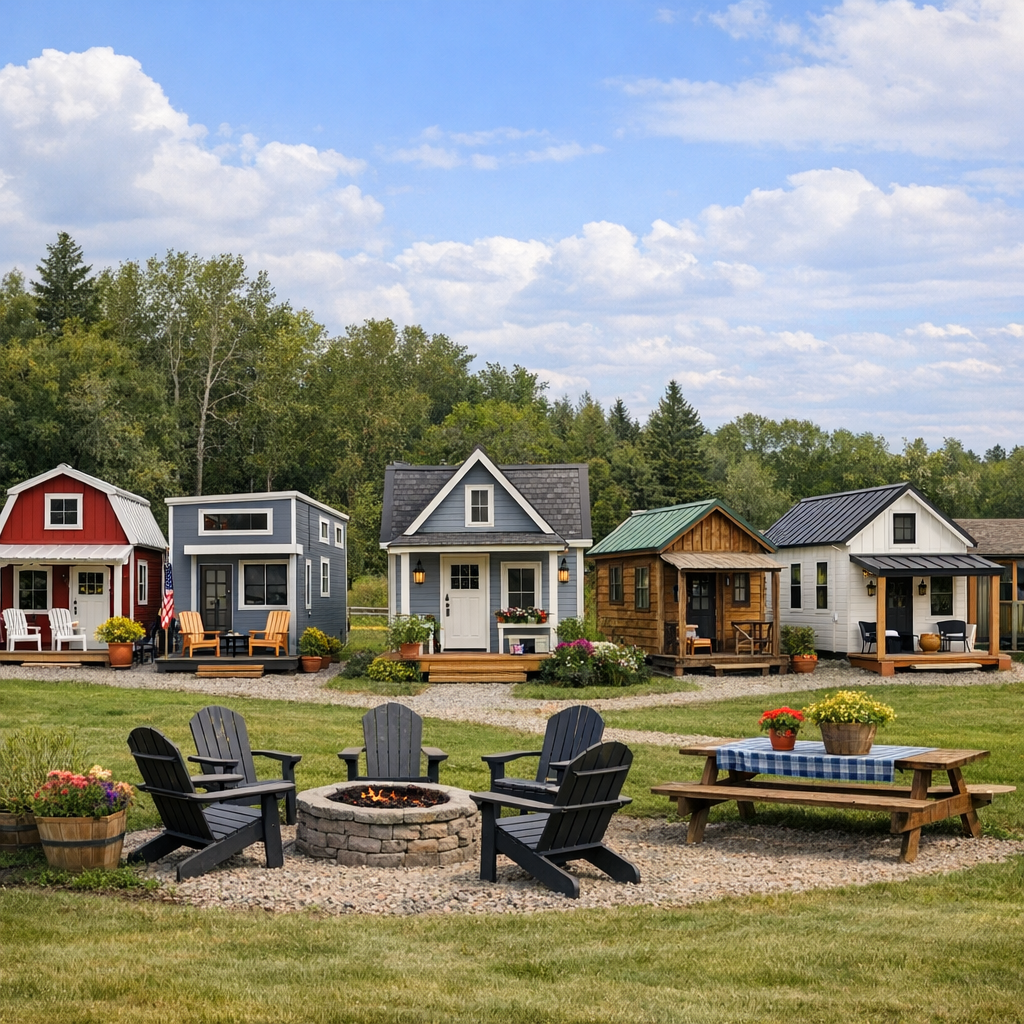
New Ulm is navigating a growing housing challenge. As demand outpaces supply, city officials and community groups are exploring unconventional housing options—like tiny homes and barndominiums—to offer residents more choices and address affordability concerns.
Why Alternatives Are Being Considered
Recent trends show that standard single-family homes are becoming increasingly difficult for many to afford in New Ulm. Rising construction and land costs, coupled with limited new housing stock, have pushed both renters and buyers to advocate for different housing formats that can reduce living costs without sacrificing quality.
Tiny Homes and Barndominiums: What Could They Bring
Tiny homes—compact, efficient residences typically less than 600 square feet—offer lower utility and maintenance expenses. Barndominiums, which combine traditional barn-like structures with modern living spaces, tend to cost less per square foot than conventional homes and provide flexibility in design and function.
Hurdles and Community Considerations
Although promising, these new housing types face several challenges:
- Zoning and building codes: Many existing regulations don’t accommodate non-traditional housing forms or require special variances, slowing development.
- Financing: Lenders may not have set standards for mortgages or insurance for tiny or hybrid structures, complicating access to funding.
- Infrastructure: Utilities, roads, and amenities must adapt—smaller parcels and dispersed housing introduce different demands.
What New Ulm Is Doing
City leaders are moving proactively. The comprehensive plan updates reflect community input calling for more housing types and price points. There are conversations underway about adjusting zoning rules, exploring pilot projects, and partnering with regional organizations. Also under discussion: more inclusive housing programs to ensure that these new options serve people at different income levels, including those in hidden homelessness or facing sudden financial pressure.
More Than Just Housing
This isn’t only about structures—it’s about community stability. Housing options affect workforce attraction, student retention, family stability, and whether long-time residents can stay. By broadening what “home” can look like, New Ulm aims to preserve its character while adapting for future needs.
The road ahead won’t be without debate—but for many, embracing alternatives like tiny homes and barndominiums offers a promising path to strengthen New Ulm’s housing foundation going forward.